

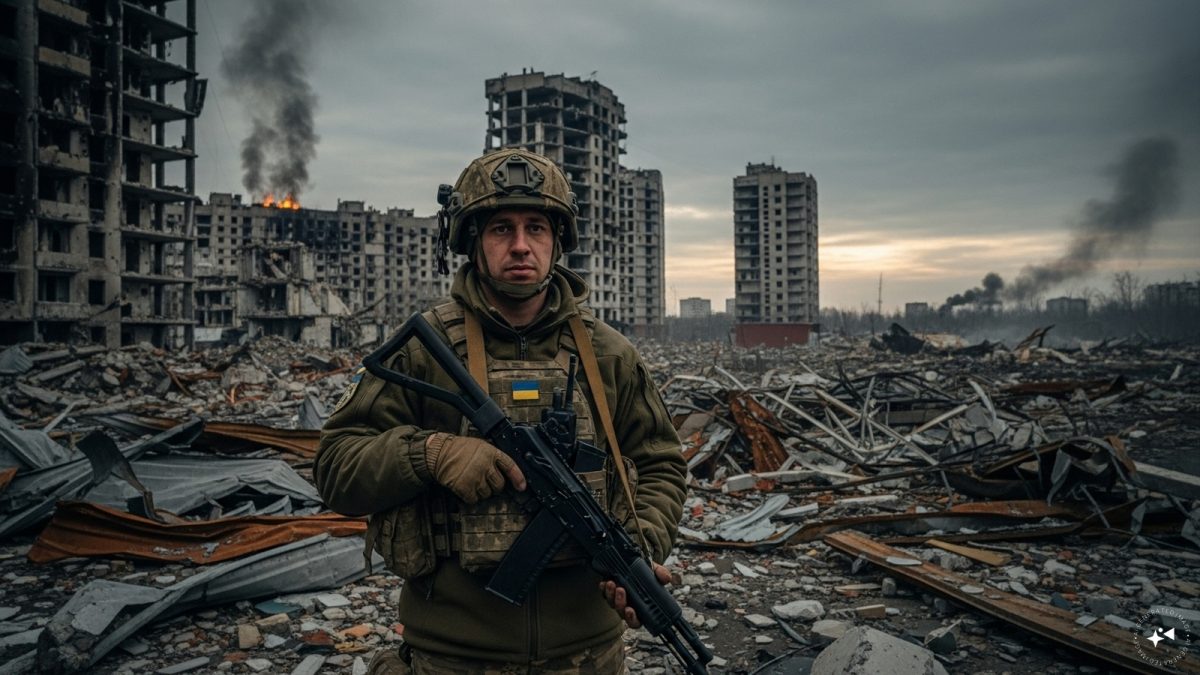
 "Pahalgam Attack Uncovers Pakistan’s Strategy to Incite Instability,,,, Divert Attention from Balochistan Unrest and Lashkar-e-Taiba Links")
Pahalgam Attack: Pakistan’s Latest Attempt to Incite Instability
A recent terrorist attack in Pahalgam has tragically claimed 26 lives, with a number of others injured. The Resistance Front (TRF), an offshoot of Lashkar-e-Taiba, claimed responsibility, citing India’s domicile policies as justification. However, analysts believe this explanation masks the true aim: to provoke communal strife by deliberately targeting victims based on religious identity
Firstpost.
The attack could trigger a forceful response from India, a scenario that Pakistan may be banking on to distract from its domestic challenges, particularly growing unrest in Balochistan. Experts warn that such escalation may serve to politically stitch together factions within Pakistan, while shifting attention from internal instability
Firstpost
India’s strategic reply will be carefully watched, both for its potential to deter future aggression and to influence geopolitical perceptions. The episode highlights the persistent fragility along the region’s borderlands, underscoring the need for resilient security measures and thoughtful diplomatic engagement to prevent further deterioration of peace.
Observers suggest that Pakistan hopes such attacks will provoke a sharp Indian response, thereby diverting global and domestic attention from its own internal crises, particularly the rising turmoil in Balochistan. By escalating cross-border tensions, Islamabad may seek to consolidate its fractured political base, while deflecting criticism over governance failures and economic instability.
For India, the challenge lies in crafting a measured but firm response that deters future aggression without escalating the conflict unnecessarily. The incident underlines the continued volatility of the region and reinforces the urgency for robust security strategies. At the same time, it underscores the importance of sustained diplomatic efforts to counter Pakistan’s attempts at destabilisation and preserve peace in an increasingly fragile environment.
India’s strategic reply will be carefully watched, both for its potential to deter future aggression and to influence geopolitical perceptions. The episode highlights the persistent fragility along the region’s borderlands, underscoring the need for resilient security measures and thoughtful diplomatic engagement to prevent further deterioration of peace.
Observers suggest that Pakistan hopes such attacks will provoke a sharp Indian response, thereby diverting global and domestic attention from its own internal crises, particularly the rising turmoil in Balochistan. By escalating cross-border tensions, Islamabad may seek to consolidate its fractured political base, while deflecting criticism over governance failures and economic instability.
Pahalgam Attack: Pakistan’s Latest Attempt to Incite Instability
A recent terrorist attack in Pahalgam has tragically claimed 26 lives, with a number of others injured. The Resistance Front (TRF), an offshoot of Lashkar-e-Taiba, claimed responsibility, citing India’s domicile policies as justification. However, analysts believe this explanation masks the true aim: to provoke communal strife by deliberately targeting victims based on religious identity
Firstpost.
The attack could trigger a forceful response from India, a scenario that Pakistan may be banking on to distract from its domestic challenges, particularly growing unrest in Balochistan. Experts warn that such escalation may serve to politically stitch together factions within Pakistan, while shifting attention from internal instability
Firstpost
India’s strategic reply will be carefully watched, both for its potential to deter future aggression and to influence geopolitical perceptions. The episode highlights the persistent fragility along the region’s borderlands, underscoring the need for resilient security measures and thoughtful diplomatic engagement to prevent further deterioration of peace.
Observers suggest that Pakistan hopes such attacks will provoke a sharp Indian response, thereby diverting global and domestic attention from its own internal crises, particularly the rising turmoil in Balochistan. By escalating cross-border tensions, Islamabad may seek to consolidate its fractured political base, while deflecting criticism over governance failures and economic instability.
For India, the challenge lies in crafting a measured but firm response that deters future aggression without escalating the conflict unnecessarily. The incident underlines the continued volatility of the region and reinforces the urgency for robust security strategies. At the same time, it underscores the importance of sustained diplomatic efforts to counter Pakistan’s attempts at destabilisation and preserve peace in an increasingly fragile environment.
India’s strategic reply will be carefully watched, both for its potential to deter future aggression and to influence geopolitical perceptions. The episode highlights the persistent fragility along the region’s borderlands, underscoring the need for resilient security measures and thoughtful diplomatic engagement to prevent further deterioration of peace.
Observers suggest that Pakistan hopes such attacks will provoke a sharp Indian response, thereby diverting global and domestic attention from its own internal crises, particularly the rising turmoil in Balochistan. By escalating cross-border tensions, Islamabad may seek to consolidate its fractured political base, while deflecting criticism over governance failures and economic instability.
Pahalgam Attack: Pakistan’s Latest Attempt to Incite Instability
A recent terrorist attack in Pahalgam has tragically claimed 26 lives, with a number of others injured. The Resistance Front (TRF), an offshoot of Lashkar-e-Taiba, claimed responsibility, citing India’s domicile policies as justification. However, analysts believe this explanation masks the true aim: to provoke communal strife by deliberately targeting victims based on religious identity
Firstpost.
The attack could trigger a forceful response from India, a scenario that Pakistan may be banking on to distract from its domestic challenges, particularly growing unrest in Balochistan. Experts warn that such escalation may serve to politically stitch together factions within Pakistan, while shifting attention from internal instability
Firstpost
India’s strategic reply will be carefully watched, both for its potential to deter future aggression and to influence geopolitical perceptions. The episode highlights the persistent fragility along the region’s borderlands, underscoring the need for resilient security measures and thoughtful diplomatic engagement to prevent further deterioration of peace.
Observers suggest that Pakistan hopes such attacks will provoke a sharp Indian response, thereby diverting global and domestic attention from its own internal crises, particularly the rising turmoil in Balochistan. By escalating cross-border tensions, Islamabad may seek to consolidate its fractured political base, while deflecting criticism over governance failures and economic instability.
For India, the challenge lies in crafting a measured but firm response that deters future aggression without escalating the conflict unnecessarily. The incident underlines the continued volatility of the region and reinforces the urgency for robust security strategies. At the same time, it underscores the importance of sustained diplomatic efforts to counter Pakistan’s attempts at destabilisation and preserve peace in an increasingly fragile environment.
India’s strategic reply will be carefully watched, both for its potential to deter future aggression and to influence geopolitical perceptions. The episode highlights the persistent fragility along the region’s borderlands, underscoring the need for resilient security measures and thoughtful diplomatic engagement to prevent further deterioration of peace.
Observers suggest that Pakistan hopes such attacks will provoke a sharp Indian response, thereby diverting global and domestic attention from its own internal crises, particularly the rising turmoil in Balochistan. By escalating cross-border tensions, Islamabad may seek to consolidate its fractured political base, while deflecting criticism over governance failures and economic instability.

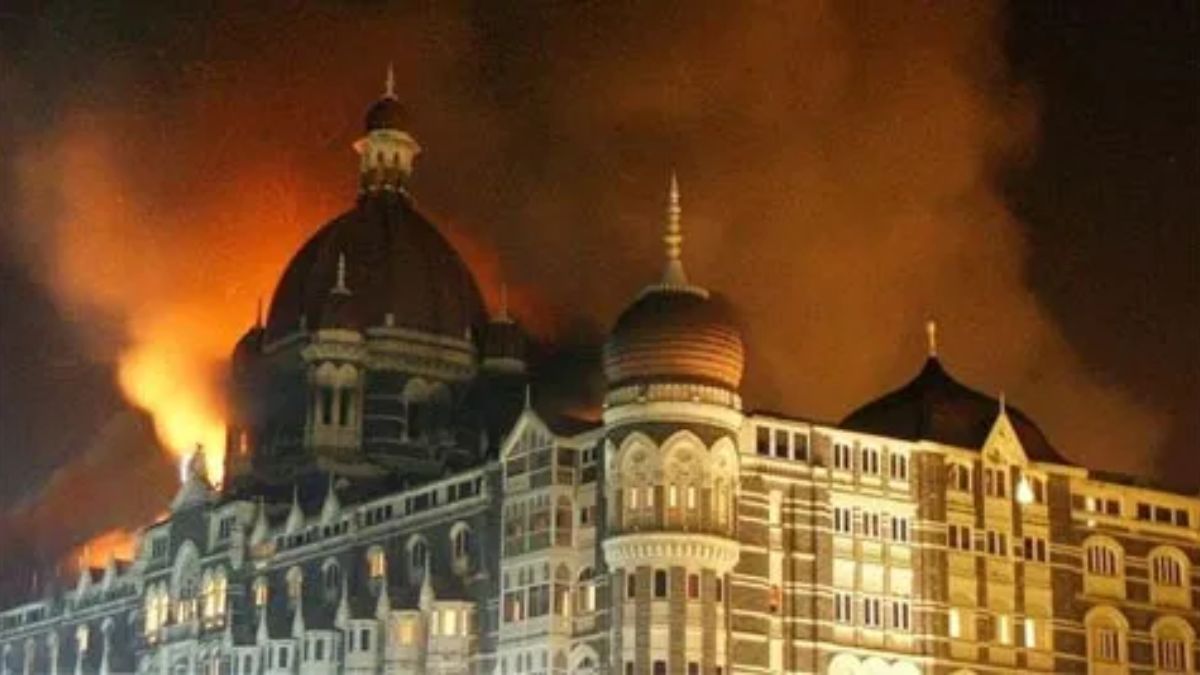 "17 years of 26/11: 9 terrorists killed, one hanged; 2 acquitted, justice waits for 6")
 "Georgia drops landmark case accusing Trump, allies of 2020 election meddling")
 "At least 36 killed, hundreds missing after fire engulfs high-rise buildings in Hong Kong")
 "Deadline diplomacy: Trump’s Gaza-style playbook faces a tougher test in Ukraine truce push")
 "17 years of 26/11: 9 terrorists killed, one hanged; 2 acquitted, justice waits for 6")
 "Georgia drops landmark case accusing Trump, allies of 2020 election meddling")
 "At least 36 killed, hundreds missing after fire engulfs high-rise buildings in Hong Kong")
 "Deadline diplomacy: Trump’s Gaza-style playbook faces a tougher test in Ukraine truce push")



