
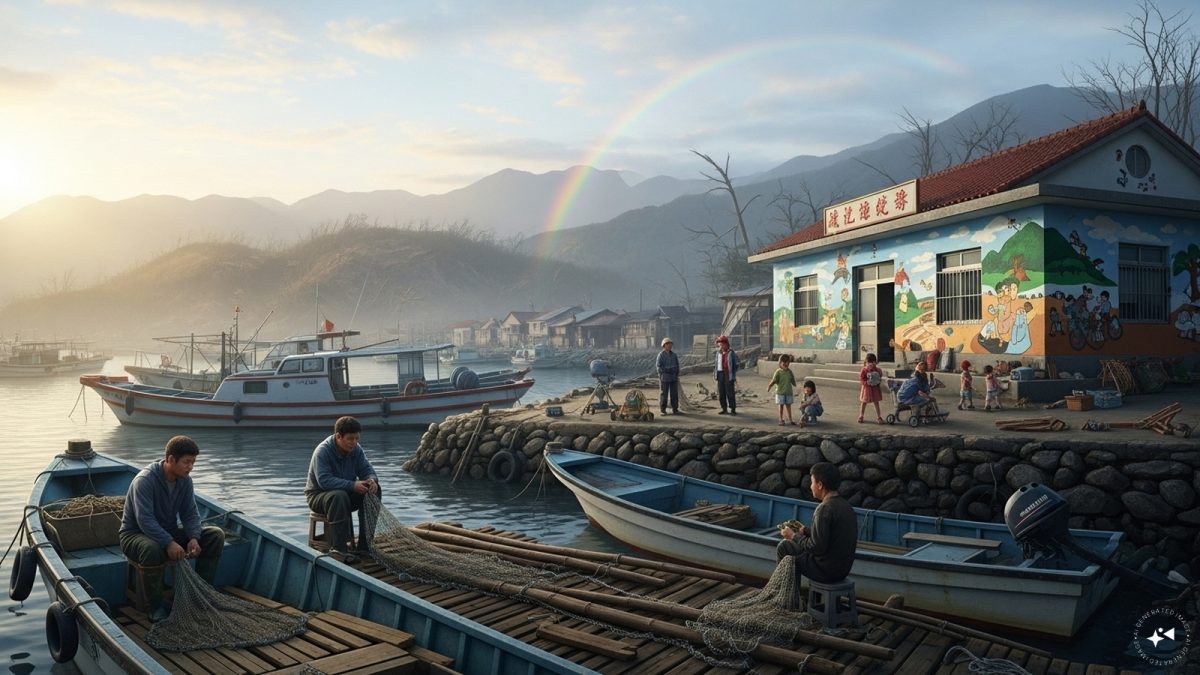
 "A history of the United Nations climate change conferences")
The Conference of the Parties (COP) to the United Nations Framework Convention on Climate Change (UNFCCC) is the annual meeting of governments under the auspices of the United Nations. The goal of the UNFCCC, agreed by 197 countries in 1992, is to stabilize concentrations of greenhouse gases in the atmosphere at levels that would avoid dangerous anthropogenic (human-caused) climate change.
Meeting each year since 1995, the COP meetings have gone through several phases. The Kyoto Protocol, adopted at COP 3 set binding emissions targets on 37 developed countries, equal to an average 5% emissions reduction over the period 2008-2012, compared to 1990 levels. The heavier burden on developed countries was placed on the principle of “common but differentiated responsibility and respective capabilities.” The developed countries were considered responsible for the majority of historic greenhouse gas emissions and to have benefitted economically from such emissions. The United States did not ratify the Kyoto Protocol.
This delineation of responsibilities between developed and developing countries has become a source of tension between Parties at subsequent meetings, with some developing countries having undergone considerable economic growth over the last 30 years, and now having considerable greenhouse gas emissions of their own.
More from World
The Paris Agreement, adopted at COP21 in 2015, is a legally binding international treaty on climate change that has the goals of limiting the increase in global temperature to well below 2°C above pre-industrial levels and pursing efforts to limit the temperature increase to 1.5°C above pre-industrial levels.
Instead of setting national goals for greenhouse gas emissions, individual countries are required to publish Nationally Determined Contribution (NDC) documents every five years, setting out their own plans for emissions reductions, and the methods through which they will be achieved. These individual reports are compiled into a NDC Synthesis Report that evaluated the individual commitments against the emissions reductions required to achieve the ultimate goals of the Paris Agreement. The first Synthesis Report was evaluated at COP28 in Dubai, and led to the publication of the first Global Stocktake under the Paris Agreement. This stocktake affirmed that actions stated in the individual NDCs were not enough to limit global warming to 1.5°C.
The next set of NDCs should have been submitted early in 2025, but many have been delayed, with fewer than half the NDCs submitted by the middle of October. It is now expected that the remaining NDCs will be submitted by the beginning of the COP30 meeting in November.
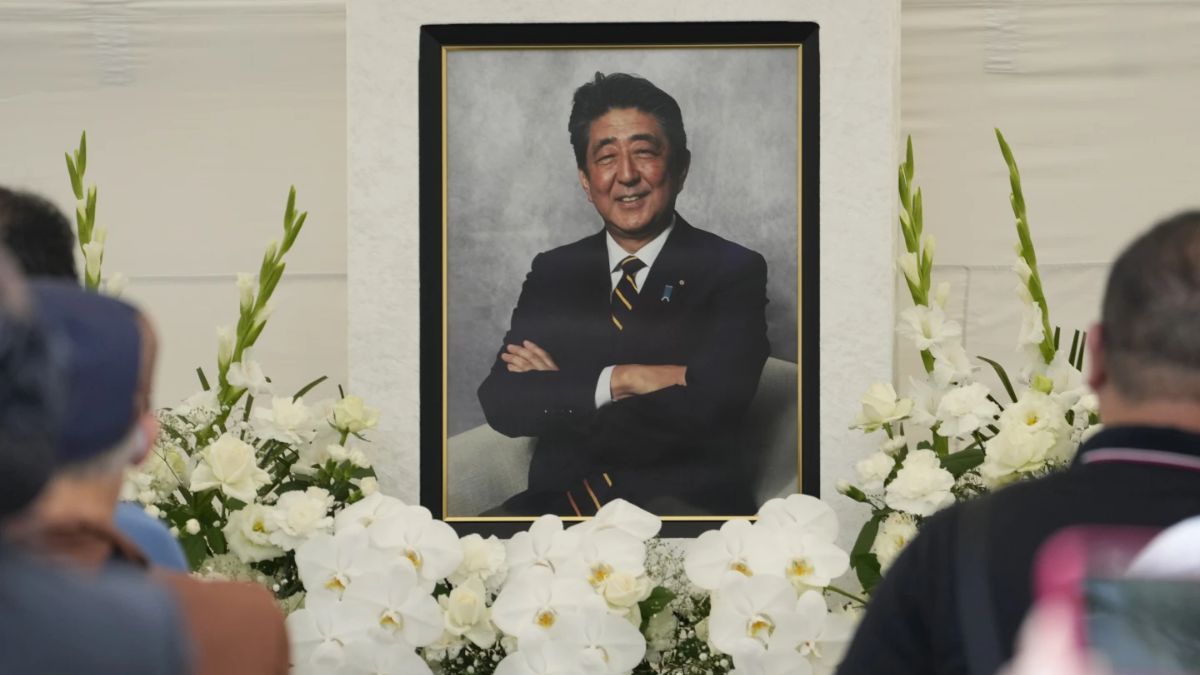 "Shinzo Abe assassination: Japanese court sentences gunman to life in prison")
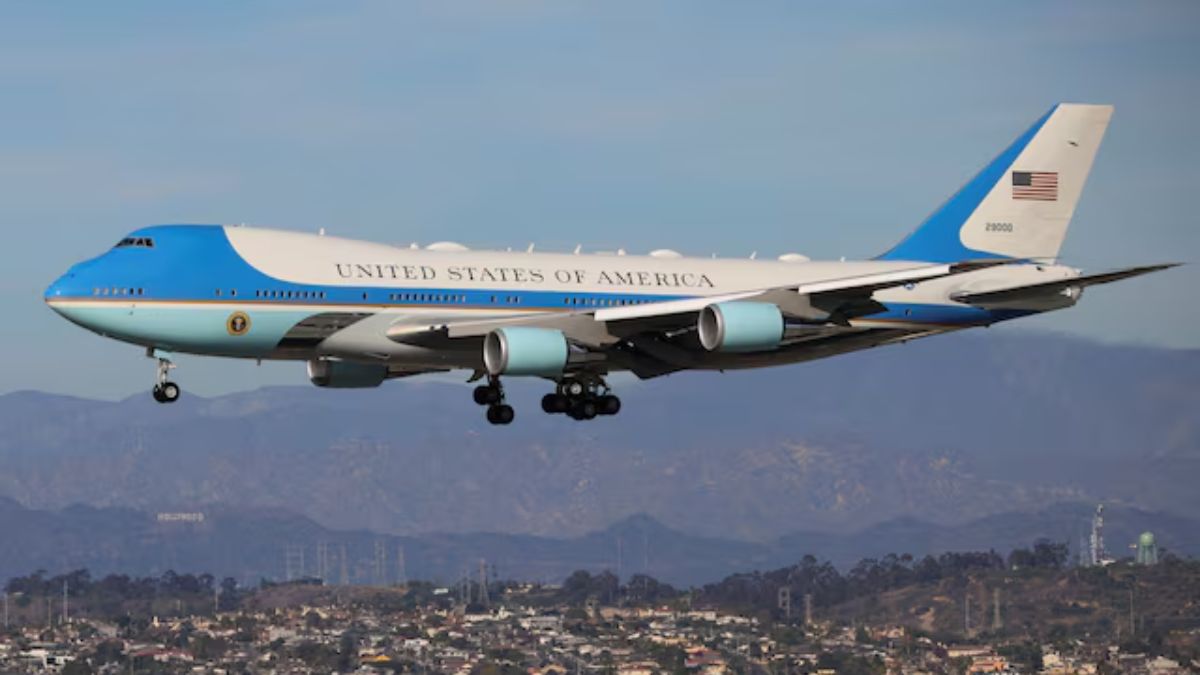 "Trump’s Air Force One returns after technical snag, he will now fly in back-up aircraft to Davos")
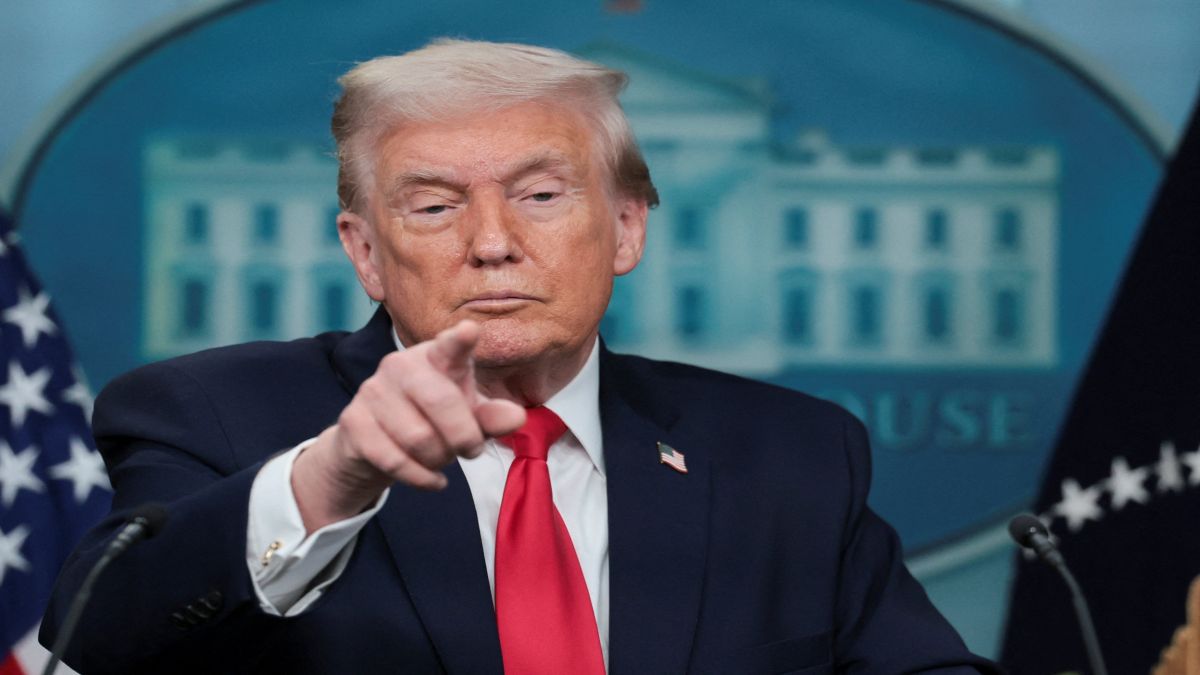 "Did Trump reduce inflation in US? Did he resolve 8 wars? Fact-checking US president’s one year in office speech")
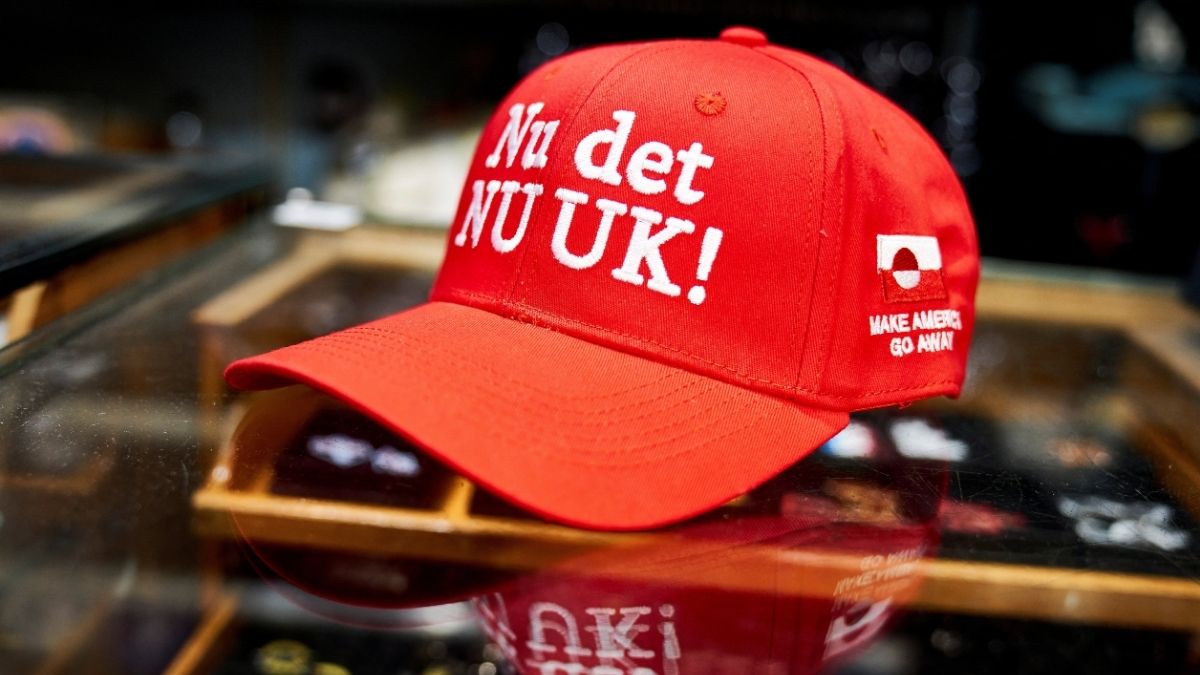 "Campaign to 'Danify California' gathers pace as Trump presses to acquire Greenland")
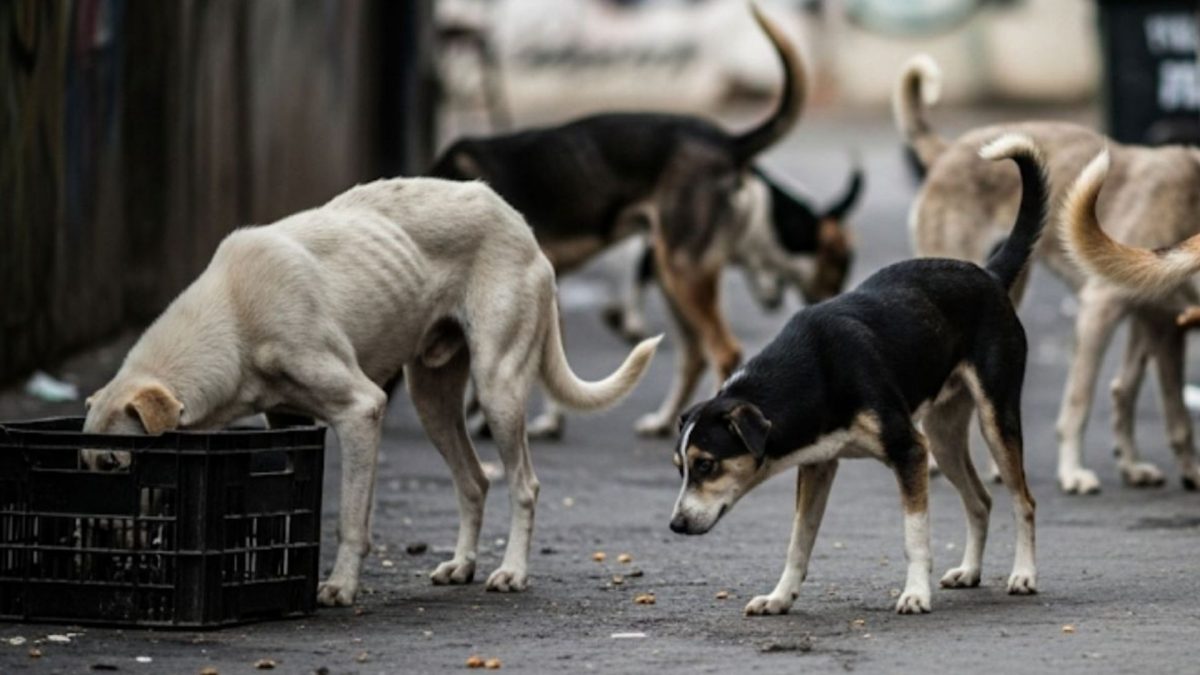 "Are dogs being massacred in India's cyber city Hyderabad? Police probe mass canine deaths")
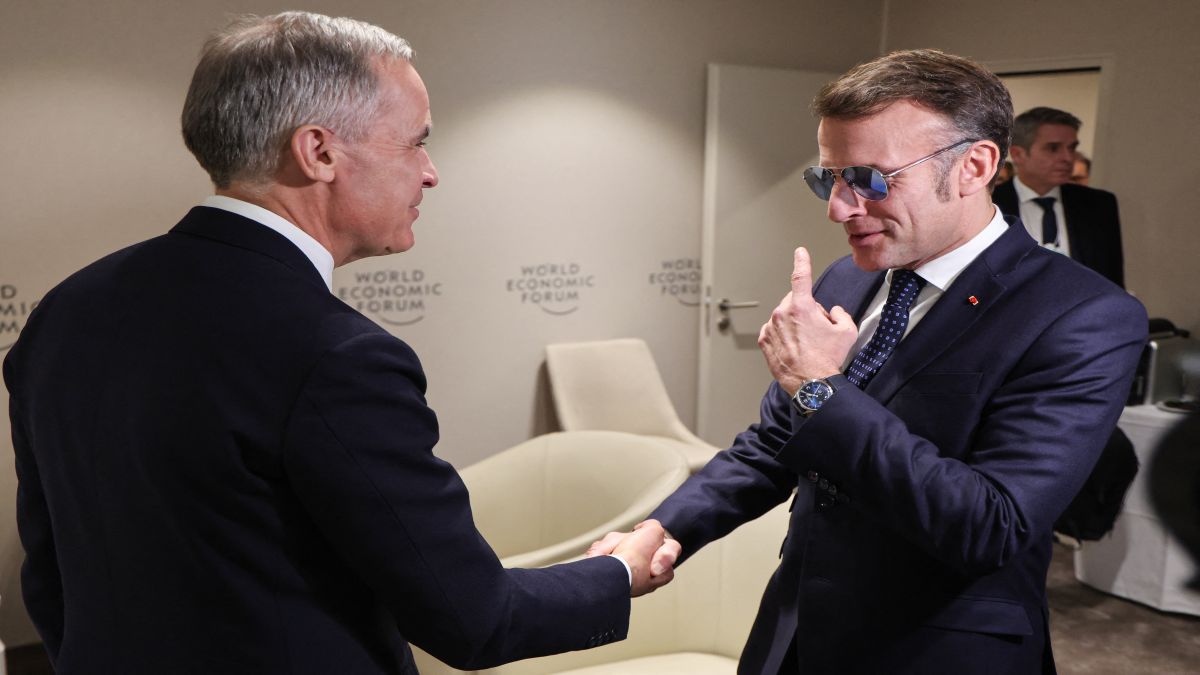 "Why Macron’s Davos look has sparked speculation over his marriage")
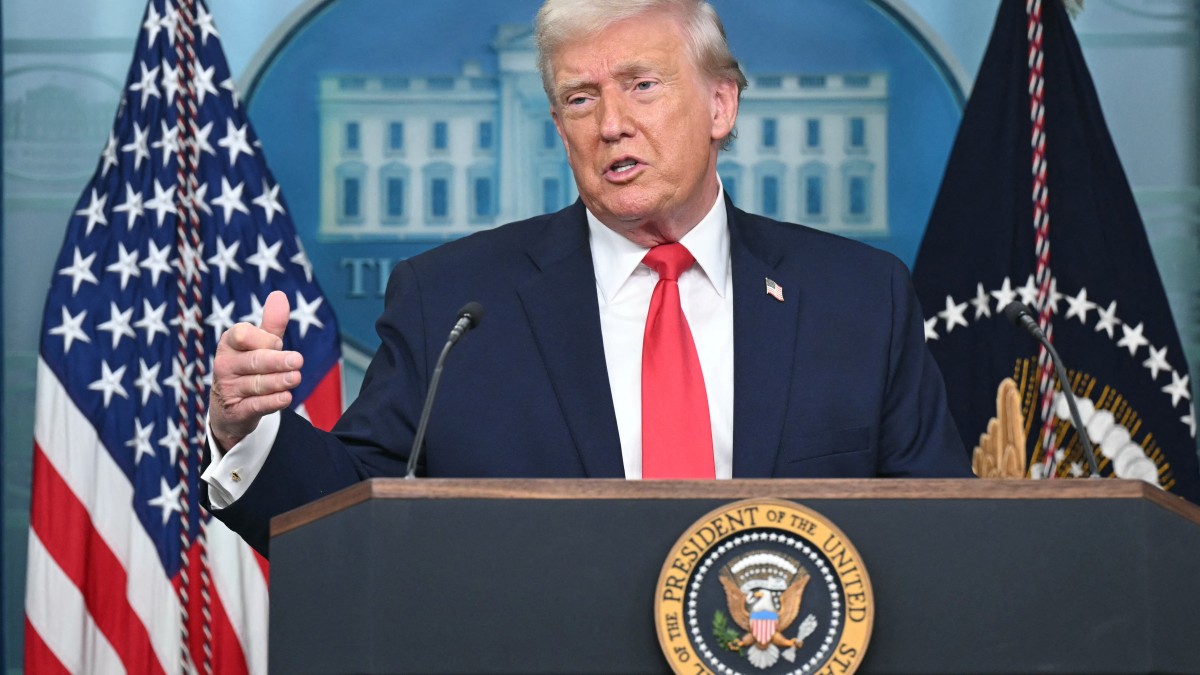 "Trump hints at alternative tactics to take over Greenland despite Europe's dissent")
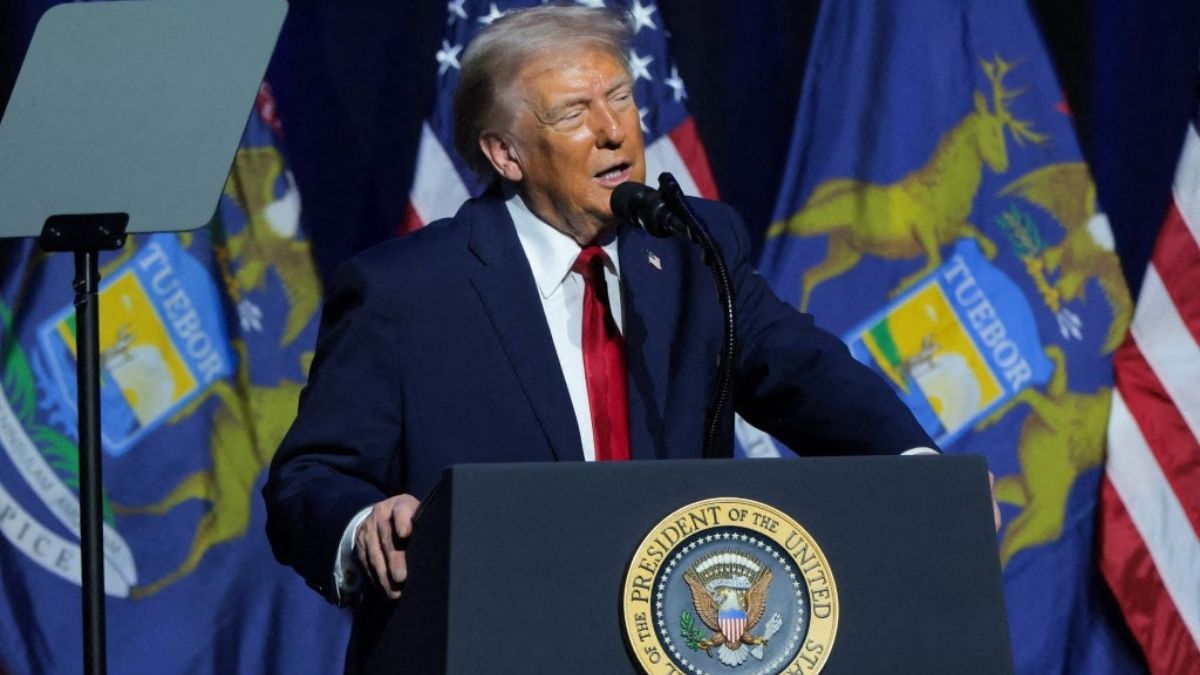 "Trump's Venezuela crackdown continues, US military seizes another tanker in the Caribbean")
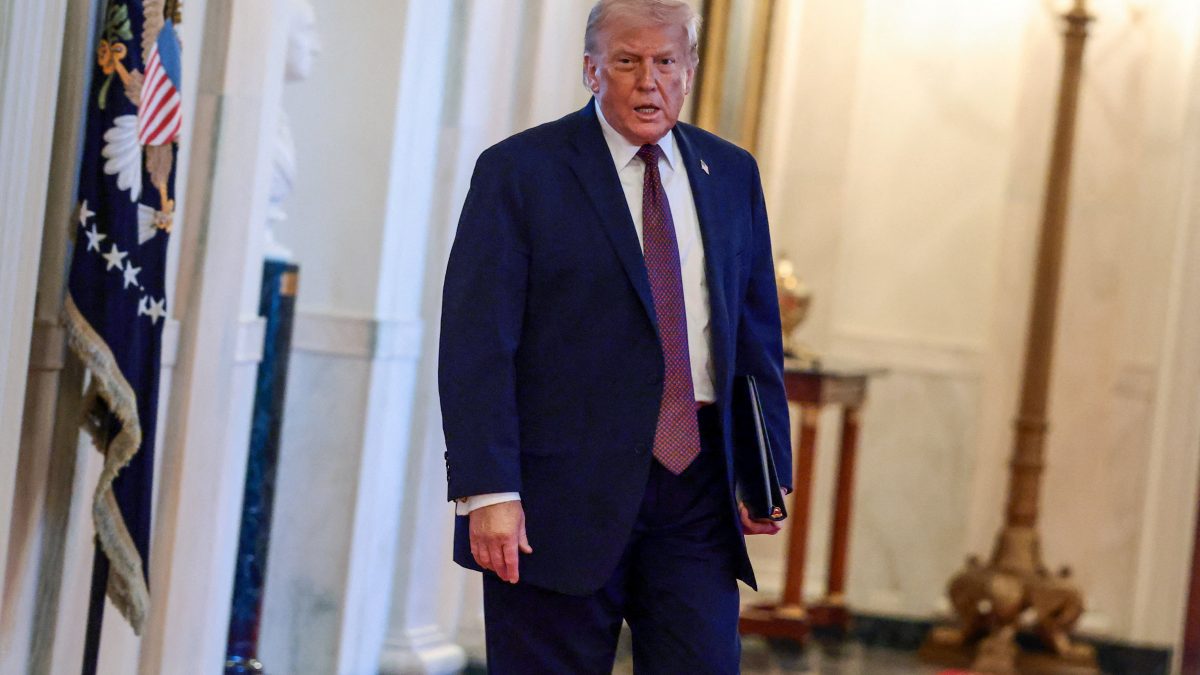 "'They make mistakes': Trump says he 'feels terribly' about immigration crackdown in one-year review")
 "'Dhoom' and 'Golmaal' actress Rimi Sen is now a real-estate agent in Dubai, says 'The city is very welcoming and...'")