

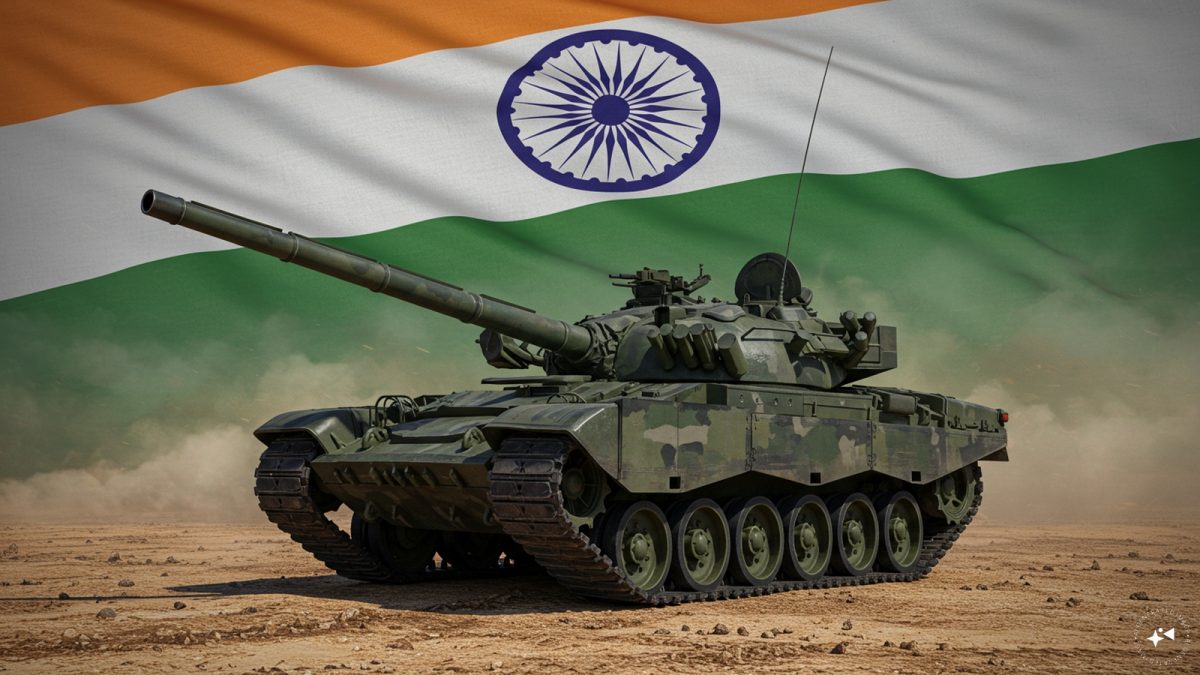
 "India Reassesses Turkish Business Ties Post Operation Sindoor Amid $10.4 Billion Bilateral Trade")

From automobile to IT, metro rail to tunnel – with Turkish firms and companies operating across at least five states – Gujarat, Maharashtra, Uttar Pradesh, Jammu & Kashmir, and Delhi, along with several MoUs signed across sectors – the bilateral trade between the two nations stood at US$ 10.4 billion during FY24hgnmj,k
“Turkey occupies the 45th position in FDI equity inflows into India with a cumulative FDI number of US$ 240.18 million from April 2000-September 2024," reveals a review report, dated February, 2025 by India Brand Equity Foundation (IBEF), a trust established by the Department of Commerce, Ministry of Commerce and Industry, Government of India.
These investments span strategic sectors like construction, manufacturing, aviation, and metro rail infrastructure and also knowledge sharing sectors like education and media. Meanwhile, several Memoranda of Understanding (MoUs) have also been signed between the two nations over the last decade — ranging from trade in poppy seeds to cooperation in telecommunications, culture, education, media and even diplomacy.
But behind the scenes, a quiet yet deliberate shift is underway after Operation Sindoor. The Modi government is now working systematically to reassess and scrutinise — and in some cases, terminate — Turkish business agreements and projects in India.
A senior official, speaking on condition of anonymity, confirmed that “all projects involving Turkish firms are under scrutiny, government is re-assessing all ties including the ones which ended," adding that the government is currently focused on collecting, compiling detailed data and deeds related to each engagement across the public and private sector projects. In 2020, a Turkish company was assigned the electromechanical part for Atal tunnel in J&K and in 2024, RVNL signed a MoU with another Turkish company for the metro rail project.

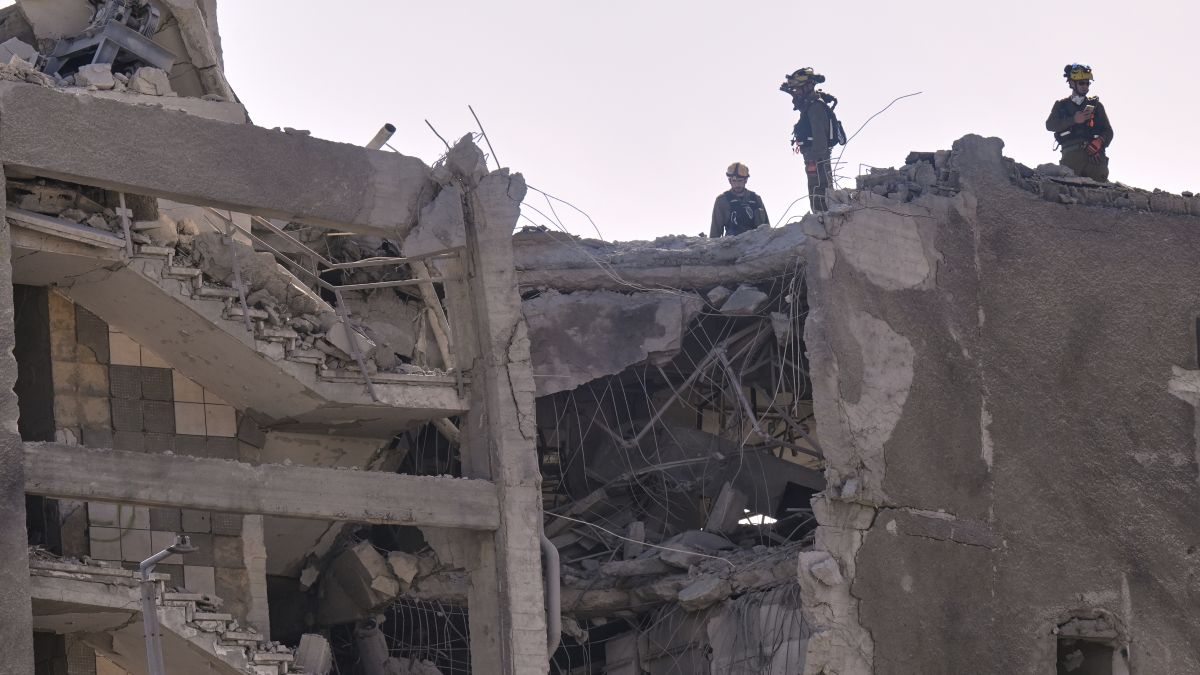 "LIVE | America joins Israel-Iran war: Iranian FM arrives in Moscow to meet Putin amid fresh Israeli strikes on military sites")
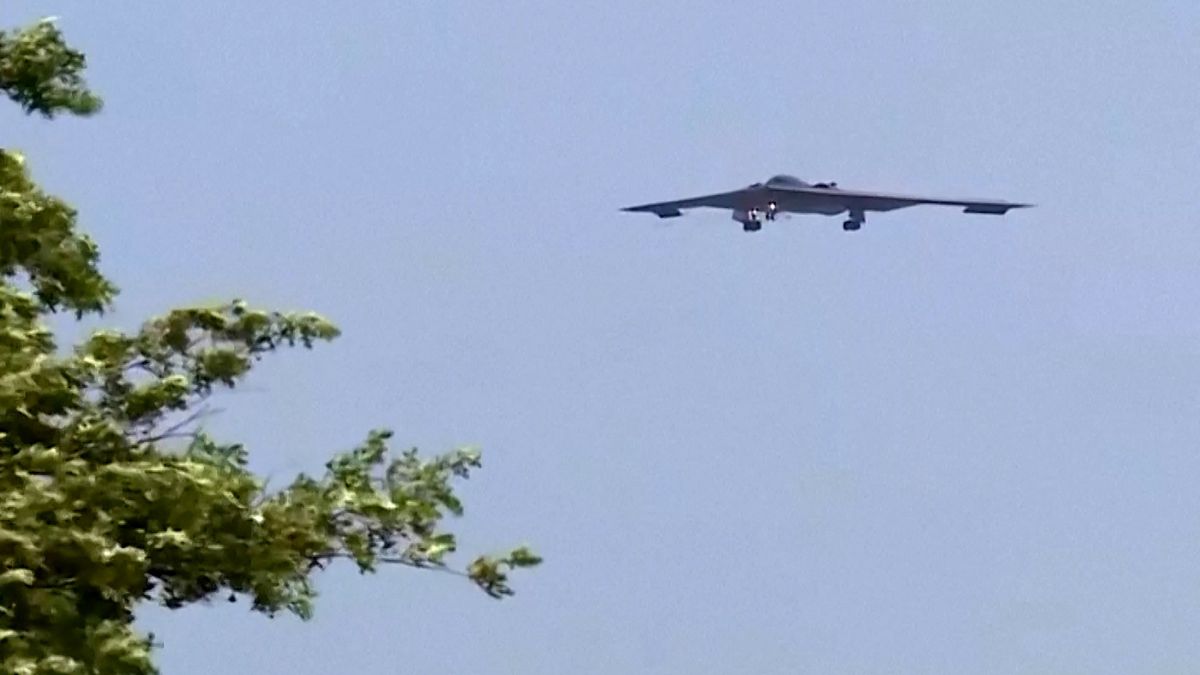 "Did US strikes destroy Iran’s nuclear sites? Can it still build a nuclear bomb?")
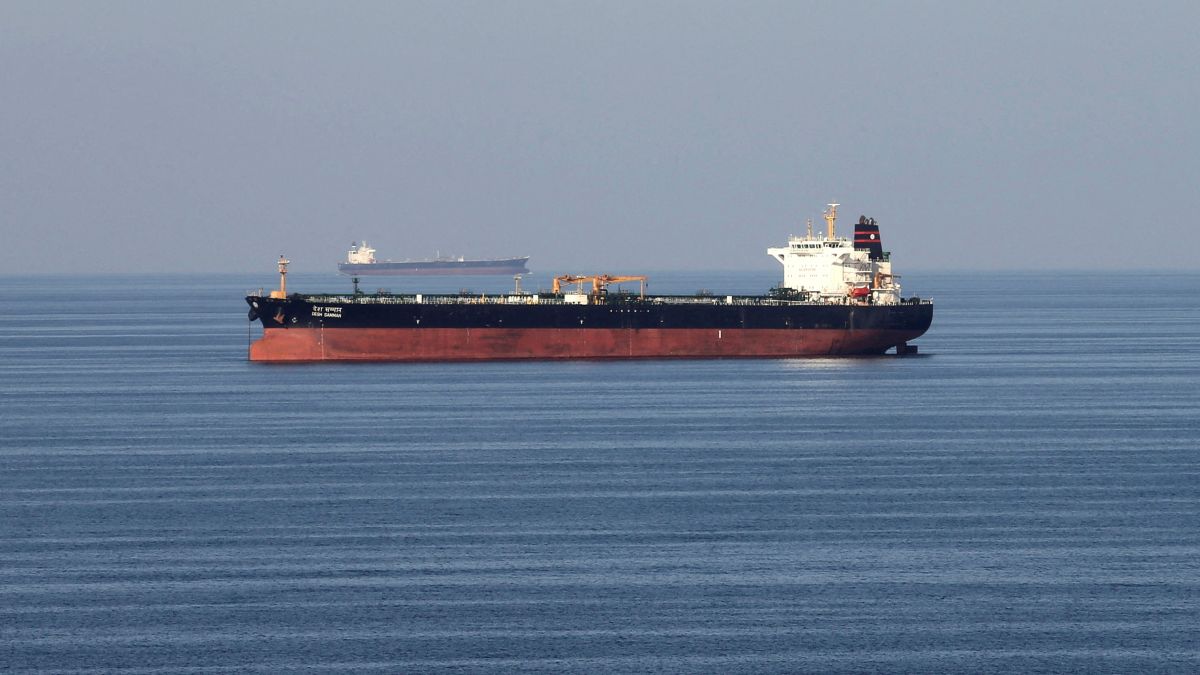 "Will India be hit if Iran closes Strait of Hormuz? How will West Asia war impact trade?")
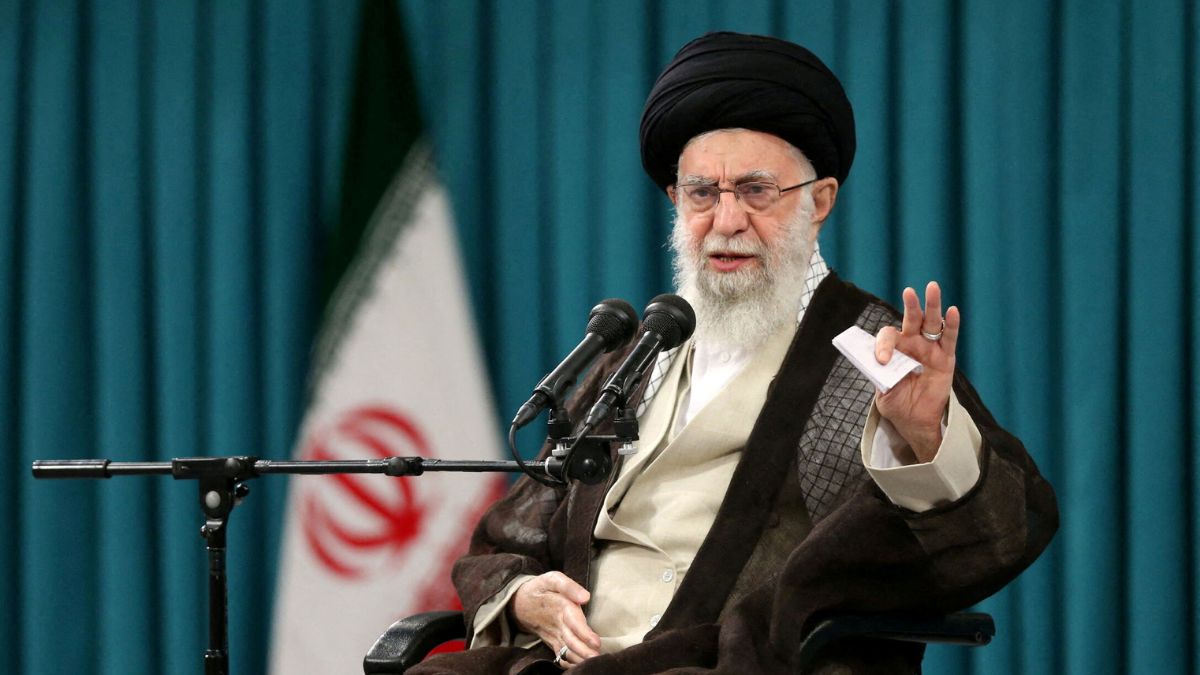 "'Enemies made big mistake': Khamenei vows to retaliate in his first statment after US, Israel strikes")
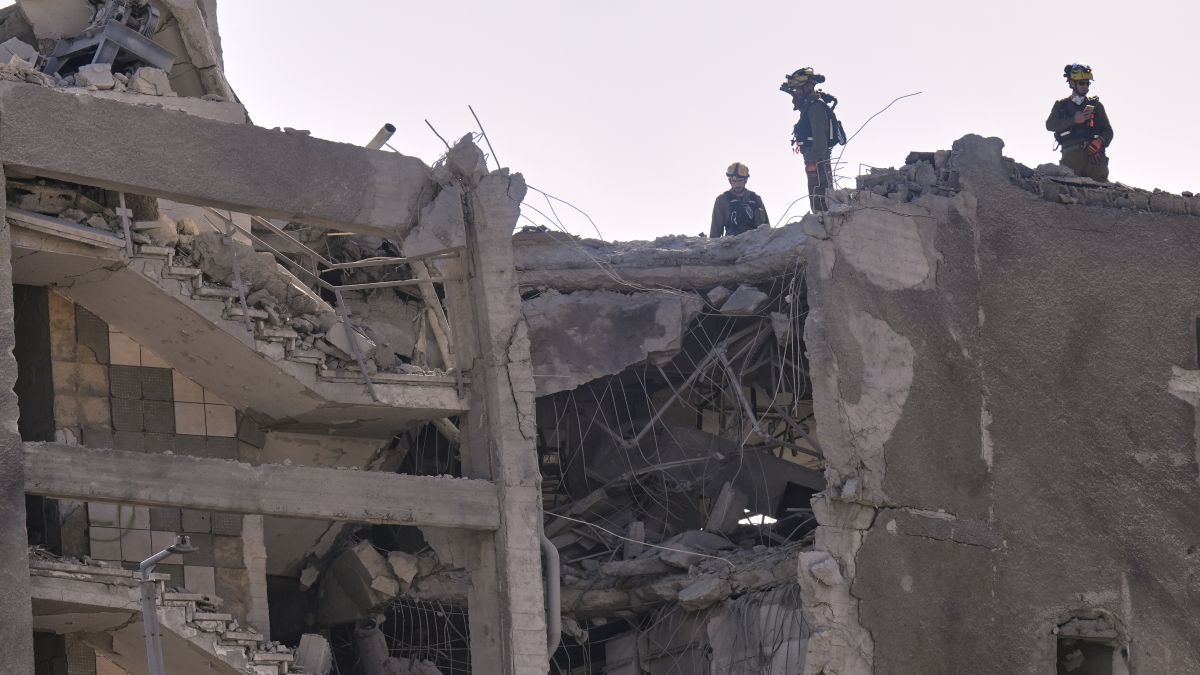 "LIVE | America joins Israel-Iran war: Iranian FM arrives in Moscow to meet Putin amid fresh Israeli strikes on military sites")
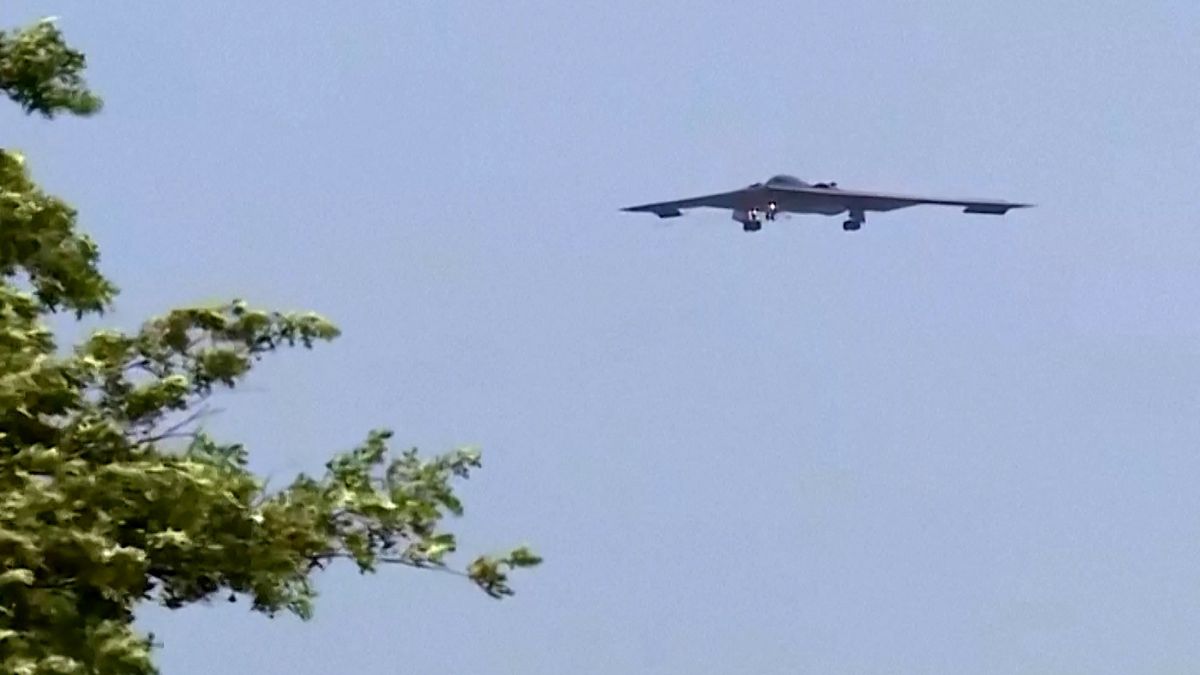 "Did US strikes destroy Iran’s nuclear sites? Can it still build a nuclear bomb?")
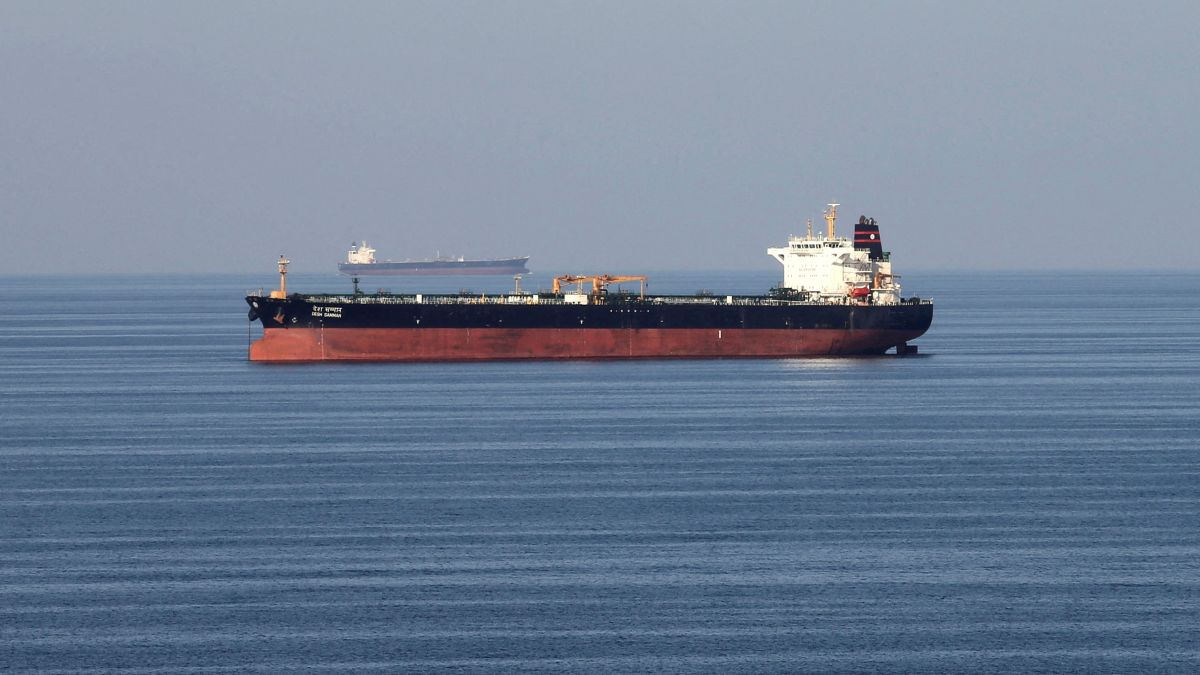 "Will India be hit if Iran closes Strait of Hormuz? How will West Asia war impact trade?")
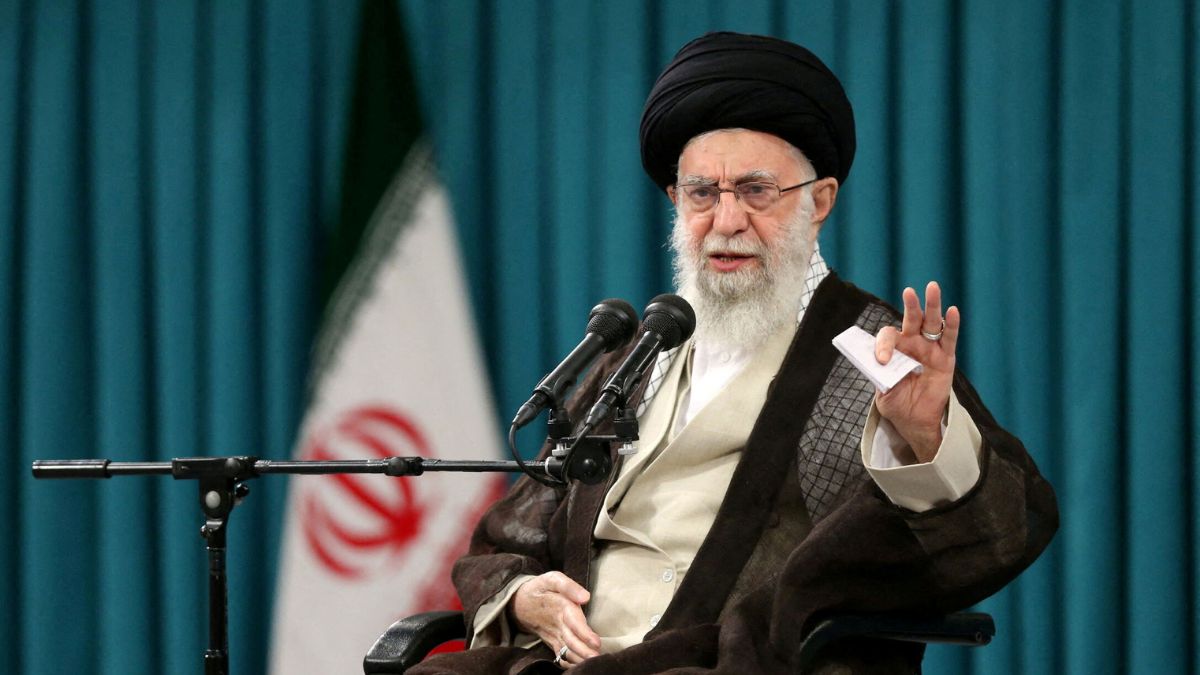 "'Enemies made big mistake': Khamenei vows to retaliate in his first statment after US, Israel strikes")



