

 "Testing New UpdateTesting New Update121qw5w34534tearwter nelson")

Diesel Cars: Efficiency, Power, and Changing Perceptions
In the ever-evolving world of automobiles, diesel cars have long held a unique place. Known for their fuel efficiency, torque, and durability, diesel-powered vehicles have served drivers well—especially those who travel long distances or rely on their vehicles for heavy-duty tasks. However, with changing environmental norms and a growing shift toward electric and hybrid vehicles, the future of diesel cars is being closely re-examined.
What Makes Diesel Cars Different?
Diesel cars use a compression-ignition engine, which operates differently from the spark-ignition gasoline engines. Instead of using a spark plug to ignite the fuel-air mixture, diesel engines compress air to a very high temperature and inject diesel fuel into the hot air, causing combustion. This process leads to greater fuel efficiency and stronger torque at lower RPMs, making diesel engines ideal for towing and long highway drives.
Advantages of Diesel Cars
1. Fuel Efficiency: Diesel engines generally deliver better fuel economy than their petrol counterparts, especially on highways.
2. Torque and Power: Diesel vehicles provide more torque, which is particularly useful for trucks, SUVs, and vehicles carrying heavy loads.
3. Durability: Diesel engines are known for their longevity, often outlasting gasoline engines with proper maintenance.
4. Lower CO₂ Emissions: Diesel engines emit less carbon dioxide per kilometer compared to petrol engines, although they emit more NOx and particulates.
Disadvantages of Diesel Cars
1. Higher Initial Cost: Diesel cars typically cost more upfront than petrol models.

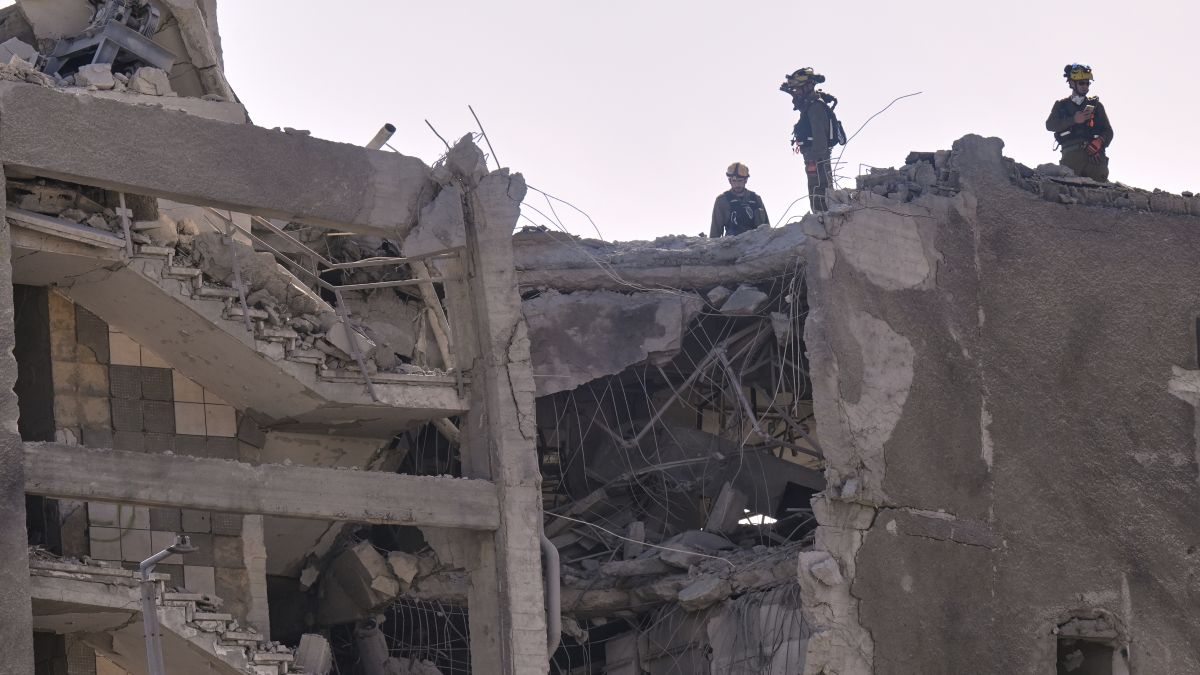 "LIVE | America joins Israel-Iran war: Iranian FM arrives in Moscow to meet Putin amid fresh Israeli strikes on military sites")
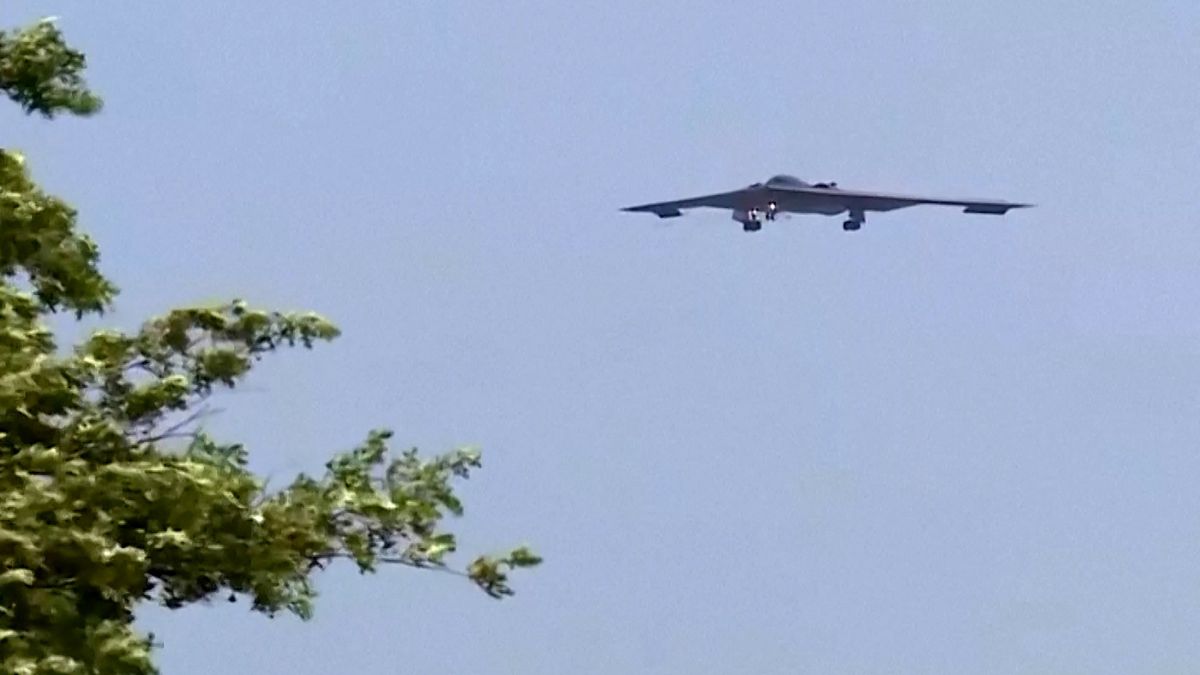 "Did US strikes destroy Iran’s nuclear sites? Can it still build a nuclear bomb?")
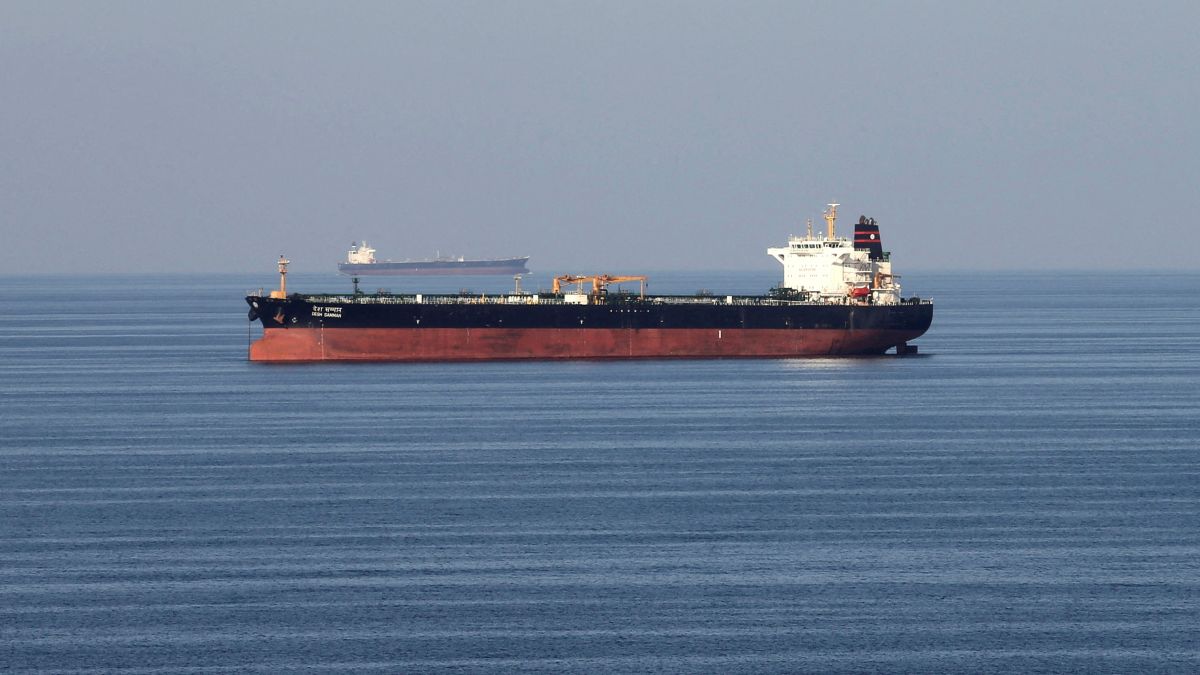 "Will India be hit if Iran closes Strait of Hormuz? How will West Asia war impact trade?")
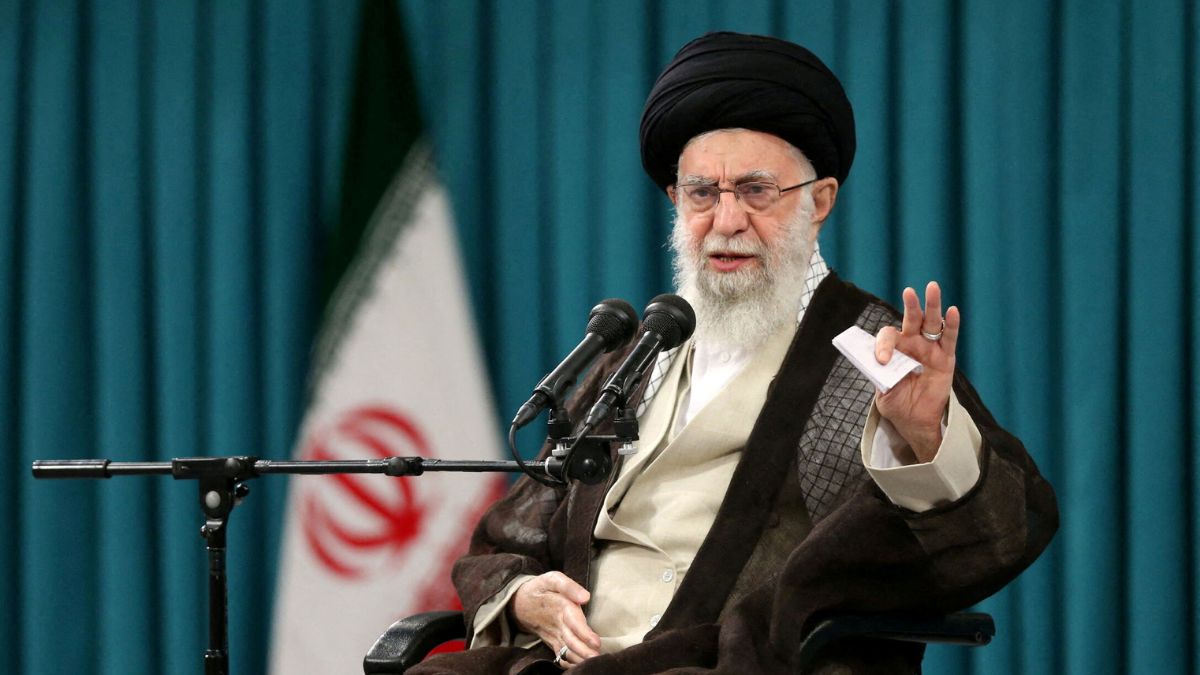 "'Enemies made big mistake': Khamenei vows to retaliate in his first statment after US, Israel strikes")
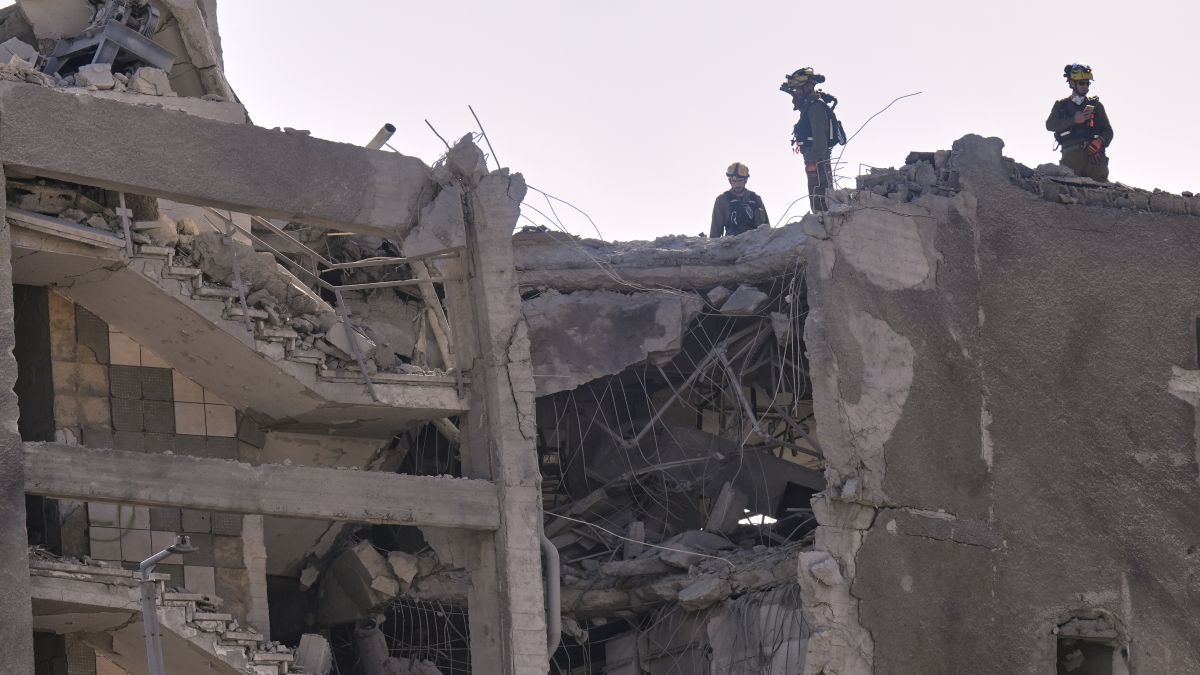 "LIVE | America joins Israel-Iran war: Iranian FM arrives in Moscow to meet Putin amid fresh Israeli strikes on military sites")
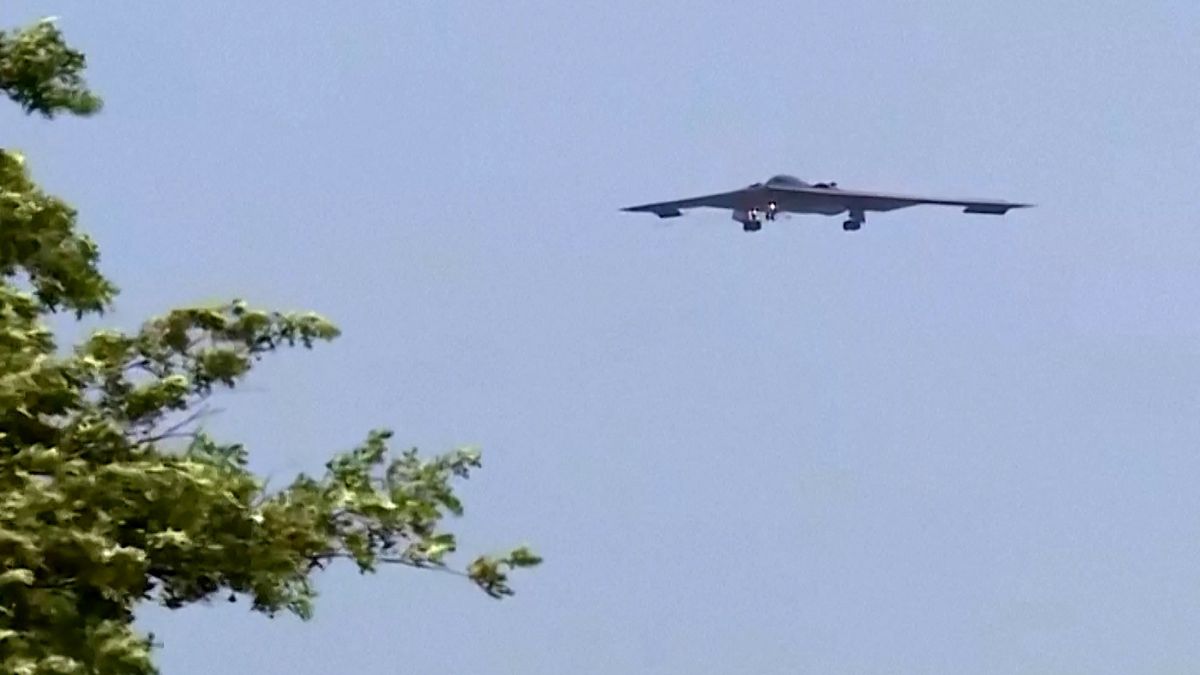 "Did US strikes destroy Iran’s nuclear sites? Can it still build a nuclear bomb?")
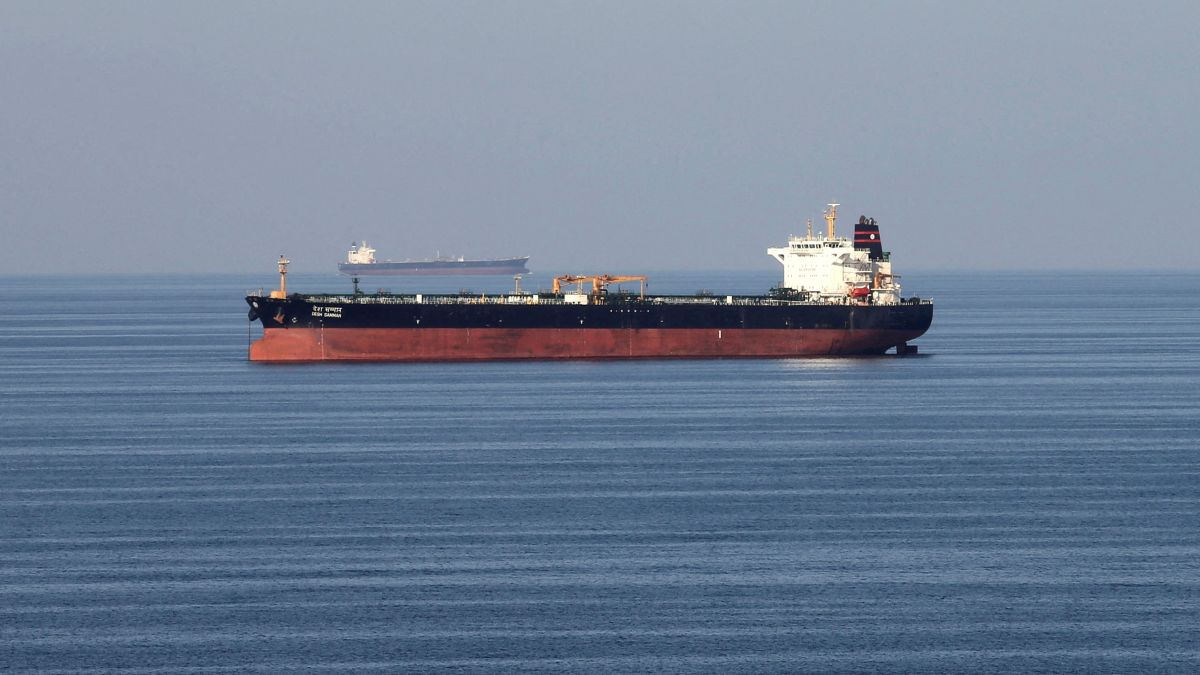 "Will India be hit if Iran closes Strait of Hormuz? How will West Asia war impact trade?")
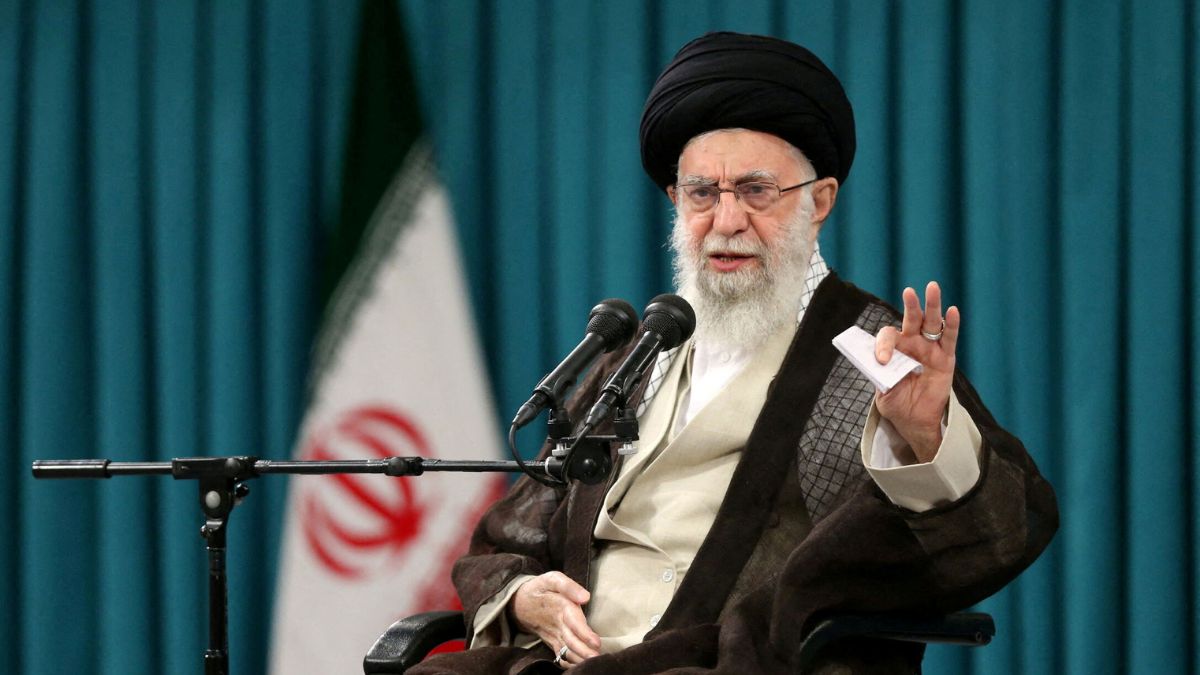 "'Enemies made big mistake': Khamenei vows to retaliate in his first statment after US, Israel strikes")



